· Source Cup Team · Sourcing Guide · 6 min read
Private Label Menstrual Cup Cost Breakdown — From MVP Launch to Pharmacy-Ready SKU
Line-by-line budget model for launching a private-label cup or disc brand — mold, packaging, certification, inventory, logistics, and marketing tiers. Lean, standard, and pharmacy-ready scenarios with payback math.
Founders ask “what does a menstrual cup brand cost?” and receive useless answers — either a $2 Alibaba unit quote with no molds, or a $500k venture deck with no line items. Real private-label economics split into one-time launch capex, per-unit landed COGS, and ongoing compliance plus marketing burn. Mis-budgeting any layer starves the others: brands that overspend on influencer ads before pharmacy-grade files exist cannot survive a single marketplace document hold.
This article models three budget tiers for B2B brand owners working with OEM partners like Source Cup Numbers are illustrative ranges for 2026 planning — finalize quotes via RFQ after supplier selection and factory vetting. Consumer sizing education belongs in size guide; this is CFO and procurement math.
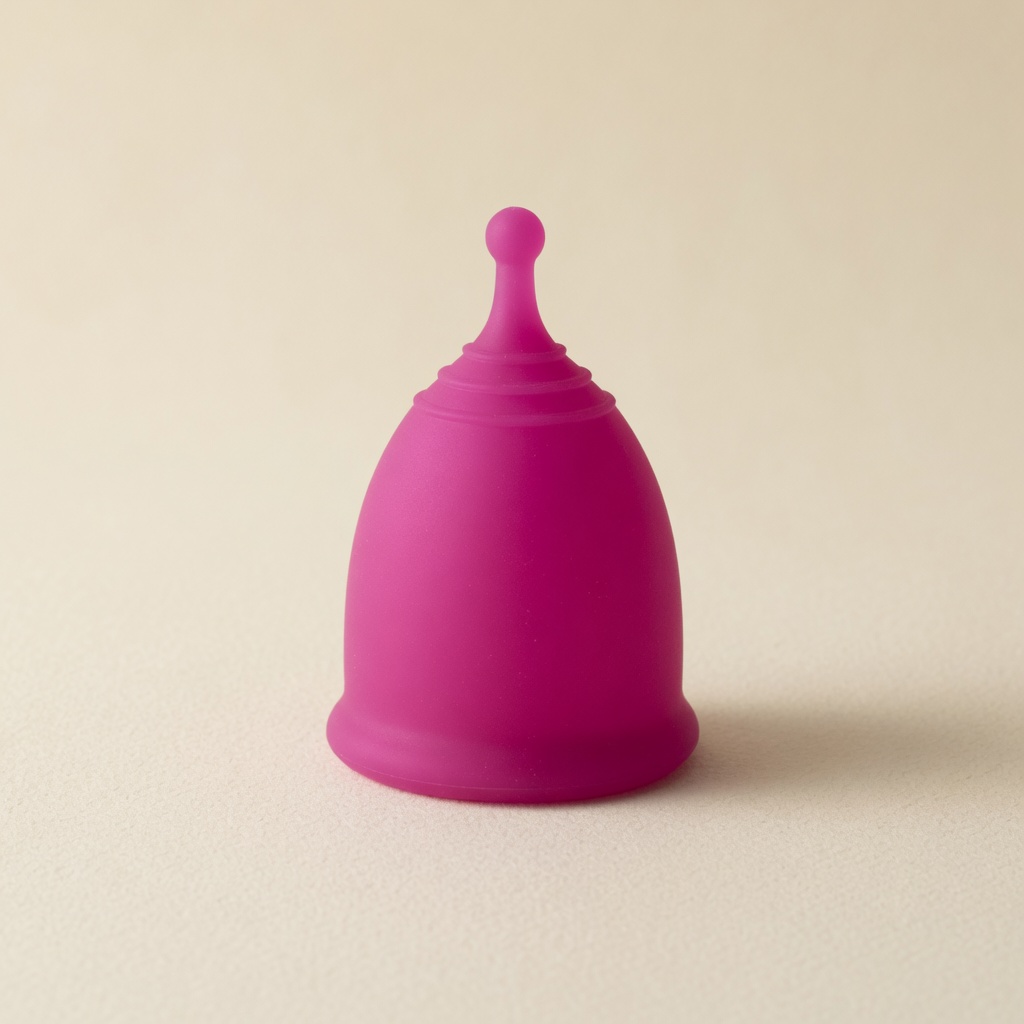
Cost Stack Overview
ONE-TIME CAPEX          PER-UNIT COGS           ONGOING OPEX
─────────────────       ───────────────         ──────────────
Mold & tooling          Silicone + labor        Cert maintenance
Packaging dies          Packaging               Marketing / CAC
Samples & testing       QC + inner pack         Inventory carrying
Certification setup     Freight + duty          Compliance staff
Brand creative          Label / IFU print       Portal / audit fees
Launch solvency requires funding all three layers for 12 months — not first PO only.
Video: Where Factory Cost Comes From
Source Cup YouTube — production and quality context
Tour production process and quality control to understand what unit price should include.
Tier A: Lean MVP (DTC / Single-Market Test)
Profile: One catalog cup SKU, pouch packaging, Shopify-led, 3k–5k units year 1.
| Category | Low | High | Notes |
|---|---|---|---|
| Catalog mold access / setup | $0 | $2,000 | ODM geometry; no new steel |
| Packaging (pouch + insert) | $800 | $3,500 | Digital print, low die cost |
| Samples & lab confirm | $500 | $2,500 | 3–5 pcs + optional third-party |
| Brand / PDP creative | $1,500 | $6,000 | Freelance design |
| Certification desktop | $0 | $5,000 | Factory certs leveraged |
| One-time subtotal | $2,800 | $19,000 | |
| Unit COGS (landed) | $3.80 | $6.50 | MOQ 100+, sea freight |
| First inventory (3k) | $11,400 | $19,500 | |
| Marketing year 1 | $15,000 | $45,000 | Paid + micro-influencer |
| Ops / legal / misc | $3,000 | $10,000 | LLC, insurance, tools |
| Year-1 cash need | $32k | $94k | Before founder salary |
Payback sketch: MSRP $28, contribution $12 after ship → 2,700 units to recover $32k variable — achievable month 8–14 with disciplined CAC.
Tier B: Standard Multi-Channel (DTC + Amazon US)
Profile: Two cup SKUs (S/M), custom carton, FBA + owned store, 10k–20k units year 1.
| Category | Low | High | Notes |
|---|---|---|---|
| Custom molds (2 cavities) | $6,000 | $18,000 | See mold development |
| Packaging dies + art | $4,000 | $12,000 | Carton, tray, IFU booklet |
| Samples, FAI, testing | $2,000 | $8,000 | Dimensional + boil protocols |
| Compliance pack build | $5,000 | $25,000 | Amazon + FDA alignment (FDA) |
| Photography / content | $3,000 | $15,000 | Lifestyle + A+ assets |
| One-time subtotal | $20,000 | $78,000 | |
| Unit COGS (landed) | $4.20 | $7.80 | Two-SKU mix, 10k MOQ |
| First inventory (10k) | $42,000 | $78,000 | |
| FBA + PPC year 1 | $25,000 | $80,000 | Includes launch ads |
| DTC marketing | $20,000 | $60,000 | |
| Year-1 cash need | $107k | $296k |
Align SKU count with SKU portfolio strategy — do not fund a third mold until ASIN review stability.
Tier C: Pharmacy-Ready / EU+US Dual Market
Profile: Cup pair + disc pair, blister option, MDR file work, 25k–50k units year 1.
| Category | Low | High | Notes |
|---|---|---|---|
| Molds (3–4 tools) | $15,000 | $45,000 | Cup + disc ladder |
| Packaging (blister + carton) | $12,000 | $35,000 | Packaging OEM |
| Notified body / RA consulting | $15,000 | $60,000 | EU MDR pathway |
| Extended lab / biocompat | $5,000 | $20,000 | SGS alignment |
| IFU translation (4 langs) | $3,000 | $12,000 | |
| Buyer portal / doc systems | $2,000 | $10,000 | |
| One-time subtotal | $52,000 | $182,000 | |
| Unit COGS (landed) | $5.00 | $9.50 | Higher QC + pack complexity |
| First inventory (25k) | $125,000 | $237,500 | |
| Field sales + trade shows | $30,000 | $100,000 | Pharmacy buyer access |
| Compliance maintenance | $10,000 | $35,000 | Surveillance, renewals |
| Year-1 cash need | $217k | $555k |
Pharmacy revenue lags spend by 9–12 months — model cash runway accordingly.
Per-Unit COGS Deep Dive
What should be inside a fair OEM unit quote:
| Component | Typical % of EXW | Factory should disclose |
|---|---|---|
| LSR material | 18–28% | Grade, supplier, lot trace |
| Molding + trim | 22–35% | Cycle time, cavity count |
| QC sampling | 3–6% | AQL level |
| Inner hygiene pack | 8–15% | Seal method |
| Outer carton / print | 10–18% | MOQ on print |
| Factory margin | 12–22% | Volume tier |
Landed adders (import brand)
| Adder | US sea (illustrative) | EU sea (illustrative) |
|---|---|---|
| Freight per unit | $0.35–$0.85 | $0.30–$0.75 |
| Duty | Varies by HS | Varies by classification |
| Customs broker | $0.05–$0.15 amortized | Similar |
| FBA inbound | $0.40–$1.20 | N/A or local 3PL |
Request EXW breakdown in RFQ — opaque quotes hide packaging MOQ traps.
Amortizing One-Time Costs Into Unit Economics
Investors think in fully loaded first-year cost per unit sold.
Formula:
Fully loaded COGS = Landed COGS + (One-time capex / Expected year-1 sell-through units)Example (Tier B): $6 landed, $50k one-time, 12k units sold → $6 + $4.17 = $10.17 economic cost until volume scales.
Second-year reorder drops toward landed COGS only — where OEM partnerships become profitable.
Hidden Costs That Kill Launches
| Hidden cost | Trigger | Prevention |
|---|---|---|
| Mold modification | Design error post-FAI | Digital fit review pre-steel |
| Re-print packaging | Regulatory text change | RA review before die cut |
| Amazon doc resubmission | Wrong lot on COA | Vendor gate checklist |
| Complaint investigation | Material drift | Change control in contract |
| Excess inventory | Six-SKU launch | Two-SKU proof first |
| Factory switch | Bad vetting | Mold ownership clause |
Budget 15% contingency on one-time capex for regulated categories.
Marketing Spend vs. Channel (Year 1)
| Channel | Marketing % of year-1 budget | Efficiency note |
|---|---|---|
| DTC | 35–50% | High CAC sensitivity |
| Amazon | 25–40% | PPC competes on reviews |
| Wholesale | 10–20% | Sell sheets, samples |
| Pharmacy | 15–25% | Buyer meetings, data packs |
Selling strategy detail: how to sell menstrual cups. Wholesale pitch economics: distribution guide.
Financing Patterns That Match Tiers
| Tier | Typical funding source | Factory payment fit |
|---|---|---|
| A | Founder savings, friends | 30% deposit / 70% ship |
| B | Angel, revenue loan | LC or split mold payments |
| C | Strategic investor, retailer prepay | Frame PO + capacity deposit |
Avoid 100% upfront mold payments without ownership clause and milestone FAI gates.
Build vs. Buy: Factory Not Required at Tier A–B
Founders sometimes ask whether to build a factory instead of OEM. For under $2M annual revenue, OEM almost always wins NPV — capex belongs in brand and compliance, not concrete and LSR presses.
ROI Milestones (Board-Friendly)
| Milestone | Tier A | Tier B | Tier C |
|---|---|---|---|
| Cash-flow positive month | 14–20 | 18–24 | 24–36 |
| Units to break even | 2.5k–4k | 8k–12k | 20k–30k |
| Reorder #2 trigger | 60% sell-through | 70% FBA IPI healthy | Buyer reorder PO |
Track return rate under 8% and complaint rate under 0.3% — otherwise marketing spend is fixing product-market misfit, not growth.
Source Cup Commercial Models
OEM clients typically choose:
- ODM fast lane — menstrual cups / discs catalog + custom branding
- Custom mold program — mold development with tiered deposits
- Wholesale volume — wholesale OEM pricing ladders
Request line-item quotation via contact citing tier target (A/B/C).
12-Month Cash Flow Template (Tier B)
| Quarter | Major cash out | Expected revenue in |
|---|---|---|
| Q1 | Mold, packaging, samples | $0 |
| Q2 | First inventory + FBA inbound | DTC soft launch |
| Q3 | PPC scale + reorder 5k | Amazon primary |
| Q4 | Q4 capacity deposit | Holiday peak |
Sync Q4 factory deposits with ordering from China CNY blackout planning.
Sensitivity Analysis (What Moves Payback Most)
Use this tornado chart logic when board asks “what assumption kills the model?”
| Variable swing | Impact on Tier B payback | Mitigation |
|---|---|---|
| CAC +30% | +4–7 months | Education content, sizing tools |
| Landed COGS +15% | +3–5 months | Volume tier PO, pack MOQ discipline |
| Return rate 8% → 14% | +5–9 months | Sample protocol, IFU clarity |
| Amazon doc hold 60 days | Cash crisis | Pre-launch vendor pack |
| Mold rework $8k | One-time hit | Digital pre-FAI review |
Unit price from factory matters — but compliance delay and return rate move IRR more than $0.40 EXW negotiation wins.
Working Capital and Reorder Timing
Second PO is where brands run out of cash celebrating first sell-through.
| Scenario | Units on hand | Reorder trigger | Cash need |
|---|---|---|---|
| DTC only | 8 weeks cover | 4 weeks supply left | 30% deposit on 5k |
| Amazon FBA | 6 weeks cover | IPI yellow | Inbound + PPC overlap |
| Wholesale anchor | 12 weeks cover | 8 weeks left | Full container EXW + freight |
Model two reorders in year-one cash plan — not just first inventory. Sea freight lead time from Shenzhen-class OEMs is commonly 35–50 days production plus 25–40 days ocean to US West Coast.
Tax, Entity, and Import Structure (Illustrative)
| Structure | When used | Cost note |
|---|---|---|
| US LLC + customs broker | DTC / FBA import | Broker $150–$400 per entry |
| UK Ltd + HMRC classification | UK pharmacy path | Legal classification review |
| EU importer of record | DE listing | IOR fees per quarter |
| Hong Kong trading + factory export | Some wholesale | Verify factory as real exporter |
Legal fees $2k–$15k vary by market — not manufacturing, but mandatory in Tier B/C.
Discount and Promo Economics
| Promo type | Effective margin hit | When rational |
|---|---|---|
| 20% off launch week | 20% on units sold | Amazon ranking push only |
| Bundle kit +20% AOV | Neutral if kit COGS controlled | DTC LTV play |
| Free shipping | $4–$9 per order | Avoid on single-cup cart |
| Influencer flat fee | Fixed sunk | Cap at 8% of year-1 revenue |
Never fund promos from inventory you cannot trace — chargebacks spike when lot complaints cluster on discounted waves.
Conclusion
Private label menstrual cup economics reward sequenced spending — prove one channel and two SKUs before pharmacy files and fourth molds consume cash. Model one-time, per-unit, and ongoing layers explicitly; amortize capex into sell-through plans; and reserve contingency for compliance surprises. The cheapest factory quote is rarely the lowest total cost of ownership.
Continue with supplier RFQ, sales channels, and wholesale margins, or scope a tier quote on solutions. Contact Source Cup with your target tier (A, B, or C) for a line-item quotation workbook.